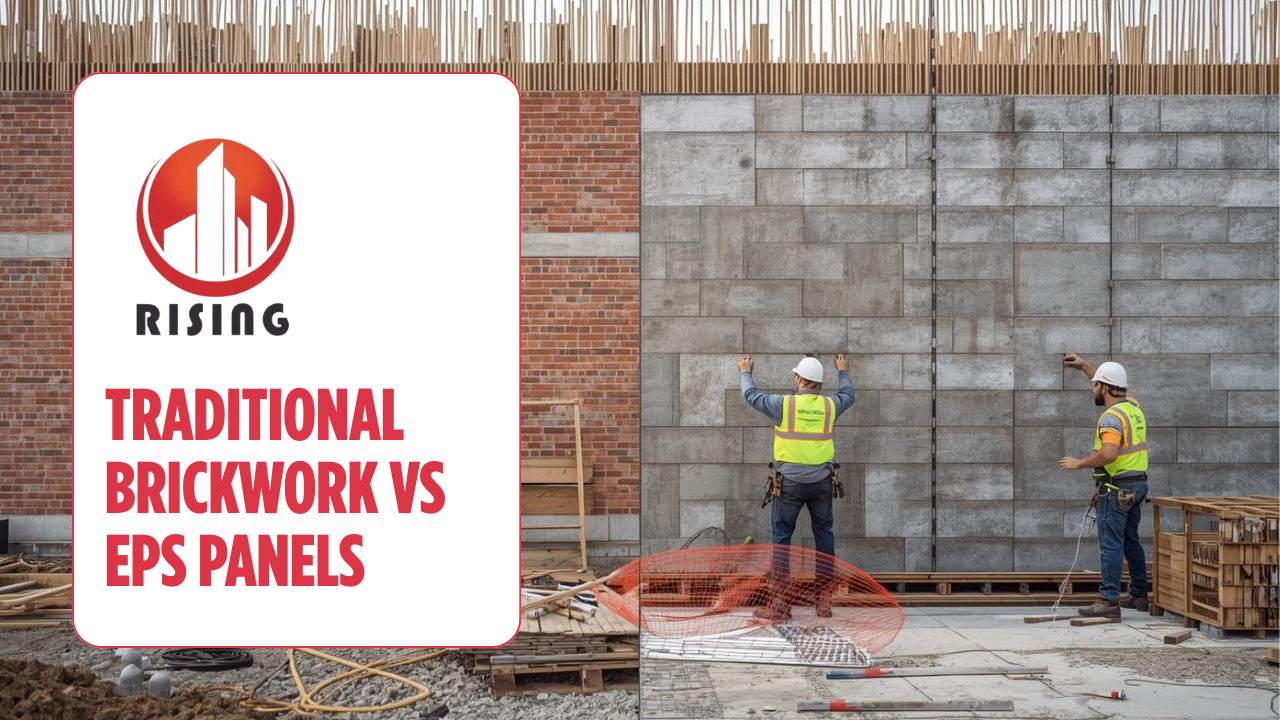
Introduction
In the dynamic world of construction, selecting the appropriate materials can significantly influence the speed, cost, and overall performance of a project. Traditional brickwork has been a staple in the industry for centuries, but with the introduction of innovative materials like Rising EPS Cement Panels, the construction landscape is evolving. This article examines the strengths and weaknesses of both methods to provide businesses with insights into modern building practices.
Understanding Traditional Brickwork
Traditional brickwork involves using fired clay or concrete bricks, which are laid in mortar. This method has been trusted for its durability and strength, making it a popular choice for residential and commercial constructions. However, it also comes with its own set of challenges.
Speed of Construction
Brickwork is often labor-intensive and time-consuming. The process requires skilled laborers to lay bricks precisely, which can lead to delays, especially in large projects. Weather conditions can also impact the curing process of mortar, further slowing down construction.
Cost Implications
While the initial cost of bricks may seem lower compared to modern solutions, the overall expenses can escalate due to labor costs, time delays, and the need for additional materials (like mortar). These factors can make traditional brickwork less cost-effective in the long run.
Performance Factors
Brickwork offers good thermal mass and fire resistance, but it can be heavy and may lead to a higher structural load. Additionally, bricks may require regular maintenance to ensure longevity, which can incur further costs.
Rising EPS Panels: The Modern Alternative
Rising Japan Infra Mumbai (RJIM Infra) has pioneered the use of EPS Cement Panels in the Indian construction market. These panels are lightweight, durable, and designed for fast installation, making them a compelling alternative to traditional brickwork.
Speed of Construction
One of the most significant advantages of EPS panels is their rapid installation. Projects can be completed up to 8 times faster than with traditional brick methods. This speed not only reduces labor costs but also allows businesses to meet tight deadlines efficiently.
Cost Efficiency
While the upfront cost of EPS panels may be comparable to bricks, the total cost benefits become apparent in the long run. Reduced labor costs, quicker project completion, and lower structural loads contribute to substantial savings for builders and developers.
Performance Advantages
- Fire Resistance: EPS panels have strong fire ratings, enhancing safety in construction.
- Thermal Insulation: With low thermal conductivity, they help maintain indoor temperatures, reducing energy costs.
- Sound Insulation: EPS panels provide excellent soundproofing, ideal for residential and commercial environments.
- Earthquake Resistance: The lightweight nature of EPS panels contributes to structural stability during seismic events.
- Waterproofing: These panels are designed to resist moisture, preventing deterioration over time.
Comparative Analysis
When comparing traditional brickwork with Rising EPS panels, several factors come into play:
- Speed: EPS panels significantly outperform brickwork.
- Cost: EPS panels offer long-term savings despite potentially higher initial costs.
- Performance: EPS panels deliver superior thermal, sound, and fire insulation.
Conclusion
As the construction industry embraces modern technologies, the choice between traditional brickwork and Rising EPS panels becomes clearer. For businesses looking to improve efficiency, reduce costs, and enhance performance, Rising Japan Infra Mumbai stands out as a leader in providing innovative building solutions. With proven products like EPS Cement Panels, RJIM Infra is committed to transforming the construction landscape in India.
For more information on how RJIM Infra can support your next project with cutting-edge building materials, contact us at sales@rjiminfra.com or call us at +91 9742 94 2742.